
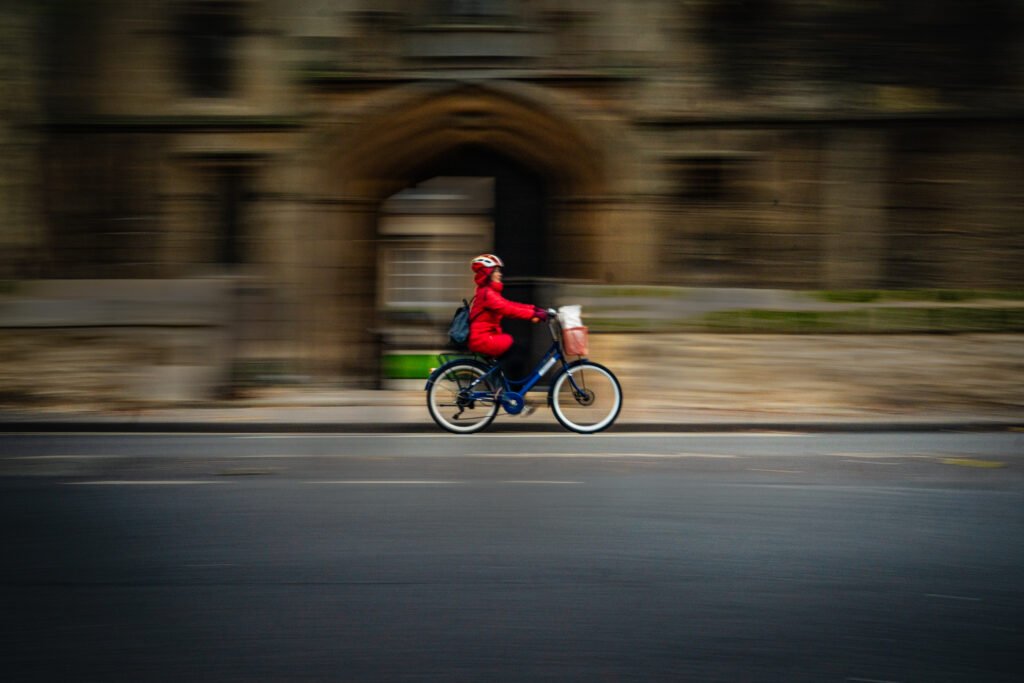
Fine art photography isn’t about capturing what something looks like — it’s about expressing what it feels like.
Unlike commercial, portrait, or documentary photography, fine art demands that the photographer becomes both artist and technician, combining creative vision, emotional depth, and technical precision.
As Ansel Adams famously said,
“You don’t take a photograph, you make it.”
That single idea sums up why fine art photography is difficult: it’s an act of creation, not record‑keeping.
What Makes Fine Art Photography So Challenging
1. Translating Concept Into Image
Most photographers struggle with fine art because it requires a clear conceptual intention before a photo is even taken.
A street photographer can shoot hundreds of spontaneous frames; a fine art photographer often spends weeks refining a theme or idea before pressing the shutter.
You’re not just showing what you saw — you’re building a narrative or emotional statement.
2. Technical Perfection
Fine art photography depends on mastery of light, exposure, and tonal control.
If technical quality fails — soft focus, poor printing, bad composition — the entire image loses impact.
Photographer Michael Kenna, known for his black and white minimalist landscapes, says:
“Simplicity is a difficult concept. It requires technical restraint and clarity of vision.”
3. Emotional Authenticity
Viewers can sense when a fine art image is manufactured rather than felt. Authenticity comes from patience, lived experience, and emotional truth — qualities that can’t be learnt overnight.
You need to connect your inner response to the world with how the camera “sees” it. That connection is the real art.
4. Presentation and Printmaking
Unlike digital photography shared online, fine art photography often lives as a physical object — a print, an installation, or a limited edition.
Understanding archival printing, paper types, and tonal calibration takes months (sometimes years) of refinement.
Printing can make or break an artwork.
Photographer Edward Weston once wrote:
“To see the thing itself is essential — to see it merely as an illustration is fatal.”
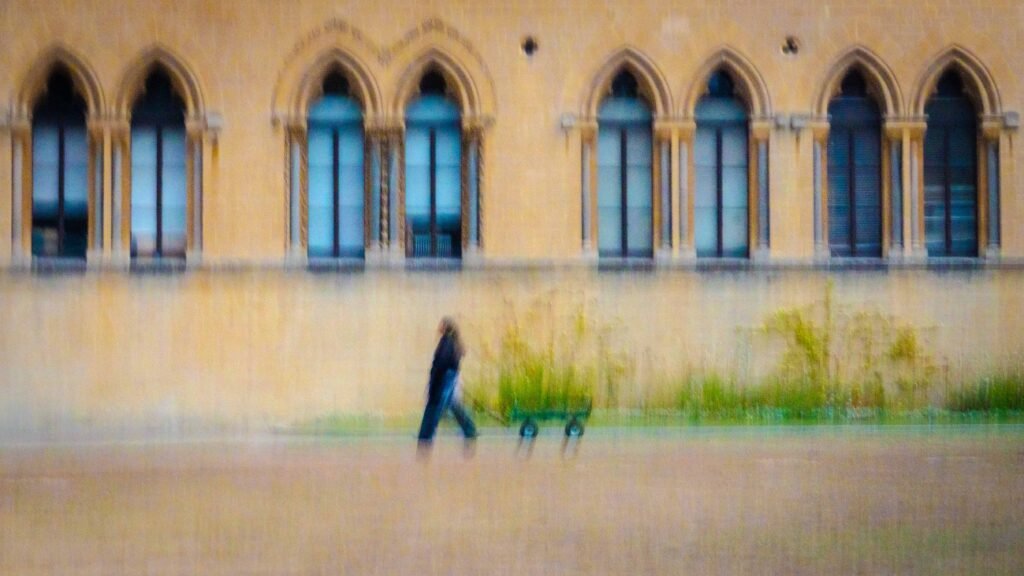
Best Techniques for Fine Art Photography
1. Learn to Pre‑Visualise
Ansel Adams’ concept of pre‑visualisation remains the foundation of fine art work. Before you shoot, see the final composition in your mind — tone, scale, light and emotion — and adjust technique to match that mental image.
How to practise:
- Sketch compositions before shooting.
- Return to the same location at different times and light conditions.
- Think of what feeling you want to evoke before touching the shutter release.
2. Master Light and Shadow
Fine art photography thrives on subtle contrast — not just brightness, but texture and tonal layering.
Study natural light: dawn, dusk, fog, overcast skies. Each reveals different emotional atmospheres.
Technique tips:
- Use side‑lighting to emphasise texture (landscape and still‑life).
- Test long exposures to soften motion in clouds or water.
- For indoor or still‑life work, use soft diffused windows or continuous LED panels instead of harsh flash.
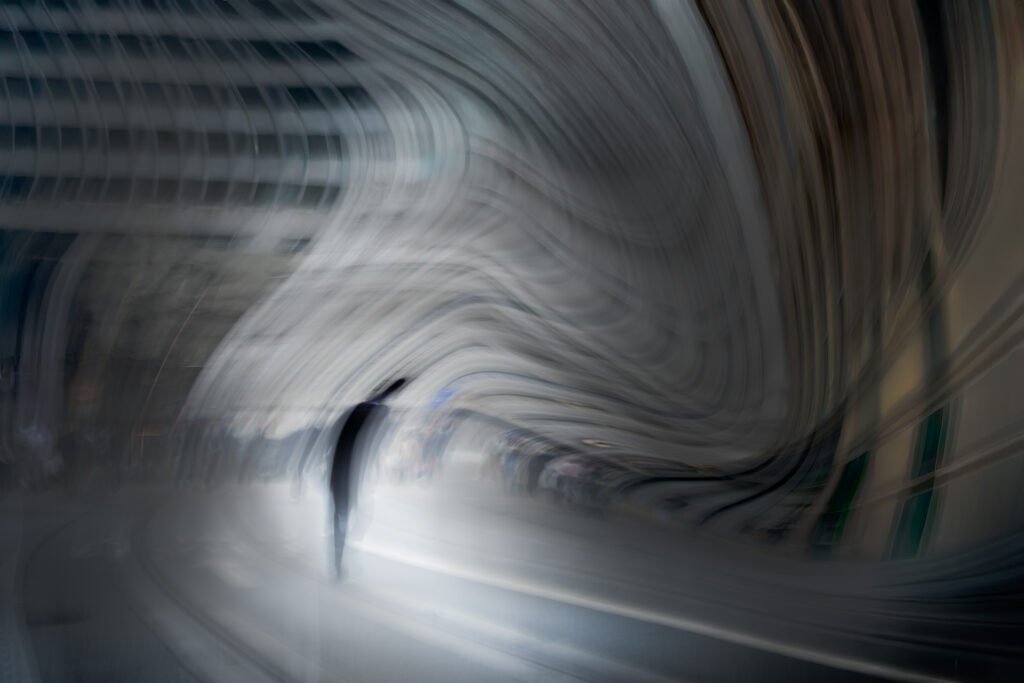
3. Limit Colour (or Remove It)
Many respected fine art photographers, from Michael Kenna to Fay Godwin, focus on monochrome minimalism — removing colour distractions to highlight shape and mood.
Shooting in black and white forces attention to form, symbolism and simplicity.
4. Experiment With Long Exposure
Long exposures (from a few seconds to several minutes) transform realities — skies blur, water turns to mist, crowds disappear.
This technique invites a meditative, timeless quality associated with fine art imagery.
British landscape photographer Rachael Talibart often uses this approach:
“Time becomes a collaborator — the longer the exposure, the more the world starts to resemble its own myth.”
5. Use Negative Space
Minimalism strengthens emotional impact. Empty areas within the frame — skies, walls, or open landscapes — draw the viewer into contemplation.
Fine art is as much about what’s absent as what’s shown.
6. Printing and Finishing
Fine art isn’t complete until it’s printed. Modern photographers use giclée printing on archival cotton paper or resin‑coated materials for deep tones and long life.
Understanding the translation from digital file to print includes:
- Soft‑proofing on calibrated monitors.
- Profile matching for paper types.
- Controlled lighting during presentation.
How Easy Are These Techniques To Learn?
Initial Learning Curve
Technically, most fine art processes — exposure control, composition, long exposure, or monochrome editing — can be learned within a few months.
But emotional fluency and artistic style take much longer.
Photography educator David Ward (author of Landscape Beyond) writes:
“The mechanics of photography are straightforward; it is seeing that is hard. Our greatest challenge is not the camera, but understanding our own perception.”
Intermediate Mastery
After one to two years of consistent shooting, a committed learner will develop a personal “voice” — a consistent visual emotion that defines their art.
Workshops, critiques and peer exhibitions greatly help refine this stage.
Lifelong Refinement
The final stage is creative maturity: refining craft, mastering print processes, and building conceptual depth.
It’s a lifelong pursuit rather than a skill you tick off.
Much like painting or sculpture, the best fine art photographers never stop learning — they keep simplifying, editing and distilling ideas.
Practical Steps for Beginners
- Start With Intent: Write down what each photograph means before shooting.
- Shoot Less, Think More: 10 intentional shots are better than 100 “snaps.”
- Study Masters: Look at Ansel Adams, Bill Brandt, Michael Kenna, Rinko Kawauchi, and Rachael Talibart.
- Print Regularly: Seeing work physically exposes technical and compositional flaws that screens hide.
- Enter Local Exhibitions: The feedback loop from curators and judges accelerates your learning.
Photographer References and Useful Resources
- Ansel Adams – The Negative / The Print (classic fine art technique foundations).
- Fay Godwin – British documentary and landscape photographer combining realism with poetry.
- Michael Kenna – Minimalist landscapes; famed for delicate dusk and night work.
- Rachael Talibart – Modern UK coastal fine art practitioner.
- David Ward – British landscape photographer and author focusing on perception and visual metaphor.
- Bill Brandt – 20th‑century British photographer linking fine art and social realism.
Books & Learning Sources
- On Landscape Magazine (online British publication for art photographers).
- The Photographer’s Mind by Michael Freeman.
- The Print and the Process by David duChemin.
- Seeing Things: A Kid’s Guide to Photography (useful even for adults) by Joel Meyerowitz – concise explanations of light and observation.
Summary
| Challenge | Why It’s Difficult | AI/Technique or Practice That Helps |
|---|---|---|
| Expressing artistic intent | Requires emotional planning & symbolism | Pre‑visualisation and sketching ideas |
| Perfecting exposure and tone | Light changes constantly | Master long exposure & tonal control |
| Printing fine art-quality images | Colour management & presentation skills | Learn giclée workflows & paper types |
| Emotional authenticity | Needs patience and personal stories | Develop recurring subjects & mood consistency |
In conclusion:
Fine art photography is hard because it asks for more than technical skill — it demands patience, introspection and creative honesty.
With consistent study, practice, and an understanding of light, tone and story, anyone in the UK (or anywhere) can learn the craft.
But, as the late Ralph Gibson once observed:
“Technique is a means to an end. The end is always the photograph that stirs something inside the viewer.”
That — not perfection — is what makes fine art photography worth the effort.